Hide messageView More

Recursos en Español

Para encontrar recursos de ASERT que han sido traducidos al español, haga clic aquí.
To find ASERT resources that have been translated into Spanish, click here.

Quick links: MyODP ASDNext AidInPA PhillyAP

Getting a Hearing Test

An ear with sound waves coming out of it and above it.

Sometimes I might need a hearing test. This will tell me how well I hear sounds. The test does not hurt.

A man standing in front a receptionist's desk. There is a woman sitting behind the desk.

When I arrive for my test, I will check in at the front desk.

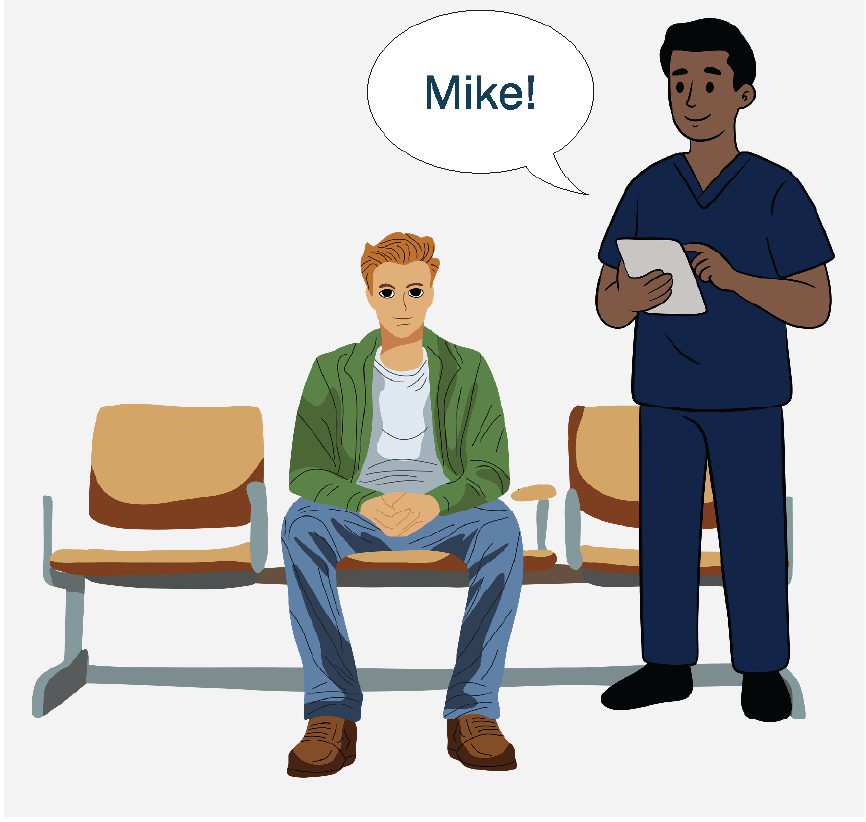
A man sitting in a waiting room chair while a nurse calls out for someone named

I will wait in the waiting room until my name is called.

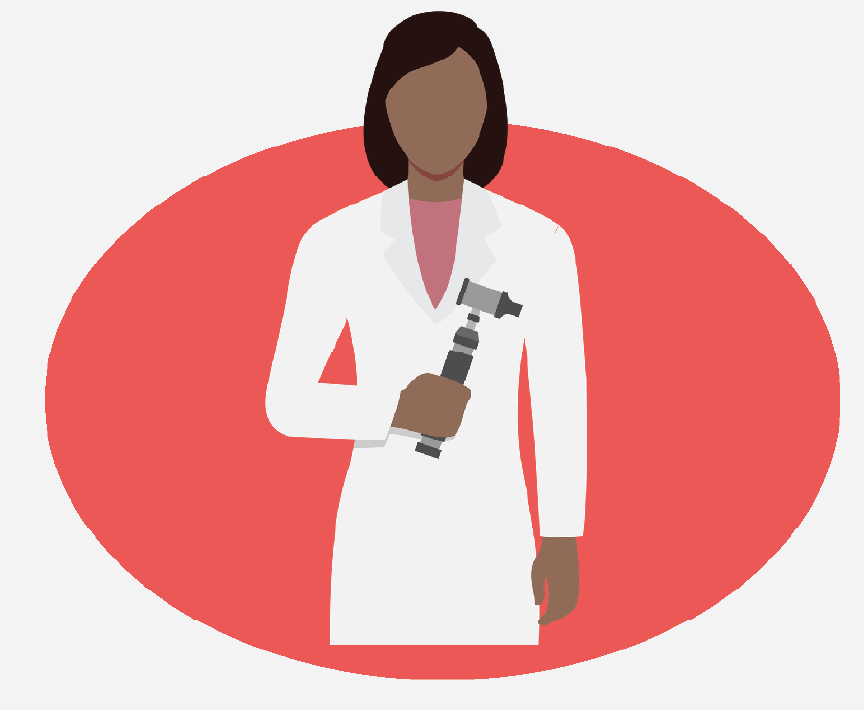
An audiologist wearing a white lab coat and holding a medical tool used to look at ears. There is a red oval behind her.

I might meet an audiologist. An audiologist is a person who tests hearing and helps people understand their hearing needs.

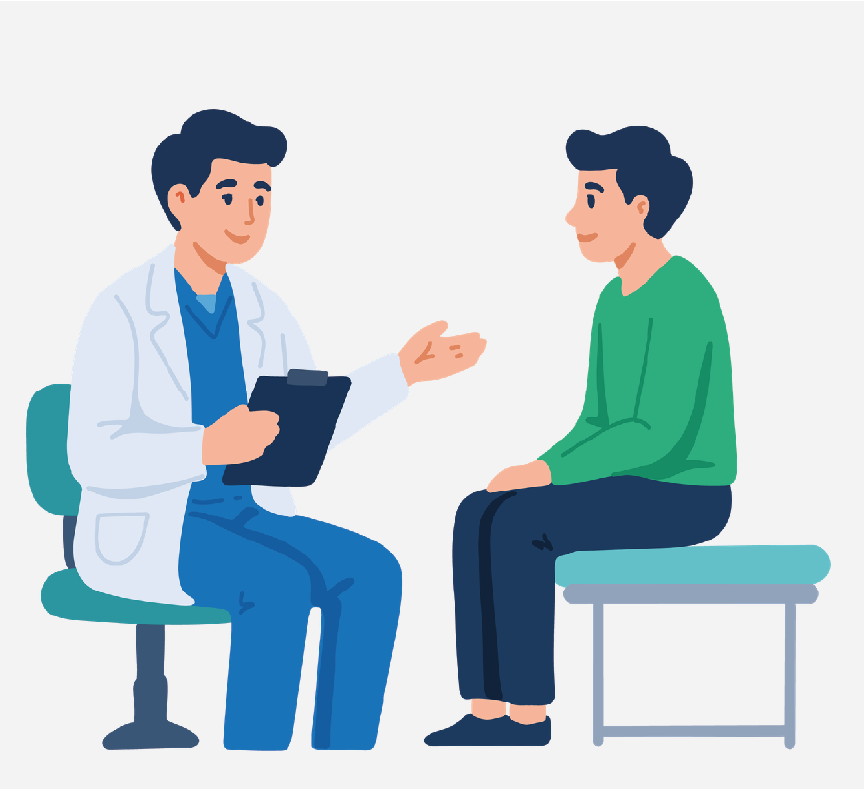
An audiologist talking to a patient.

I will probably go into a small, quiet room. The room helps block out outside noises.

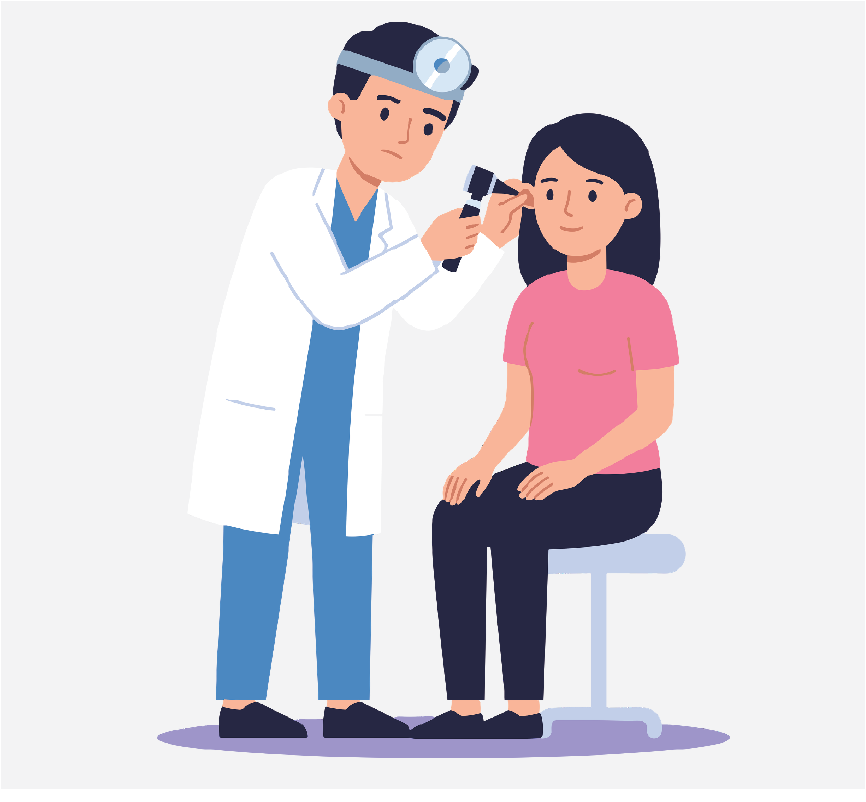
An audiologist looking into a woman's ear.

The audiologist may look inside my ears using a special light. This helps them check that my ears are healthy.

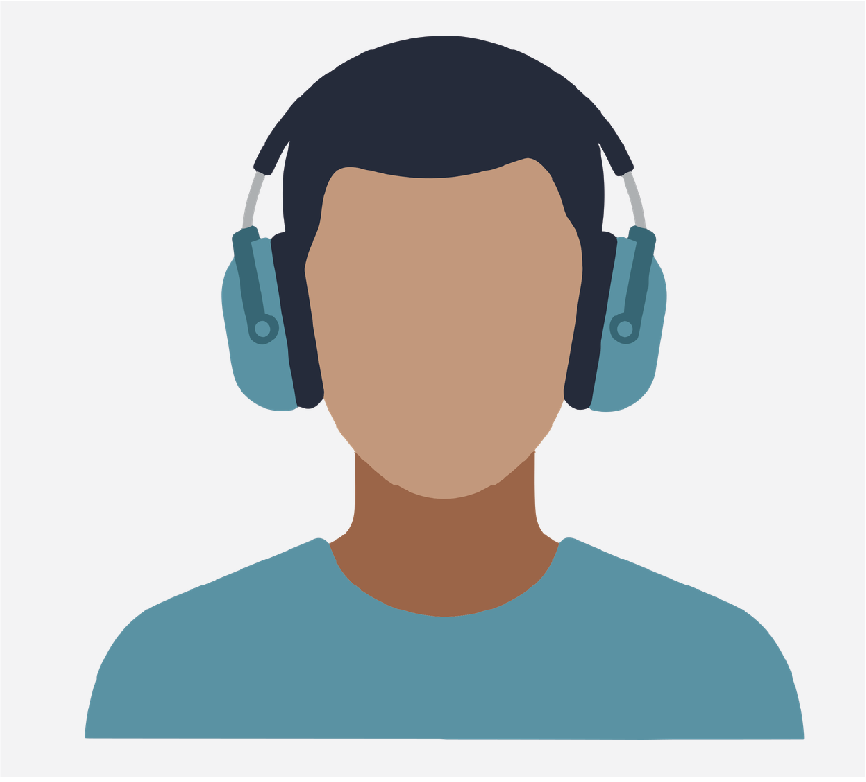
A faceless person wearing headphones.

The audiologist may place headphones over my ears or small earphones inside my ears.

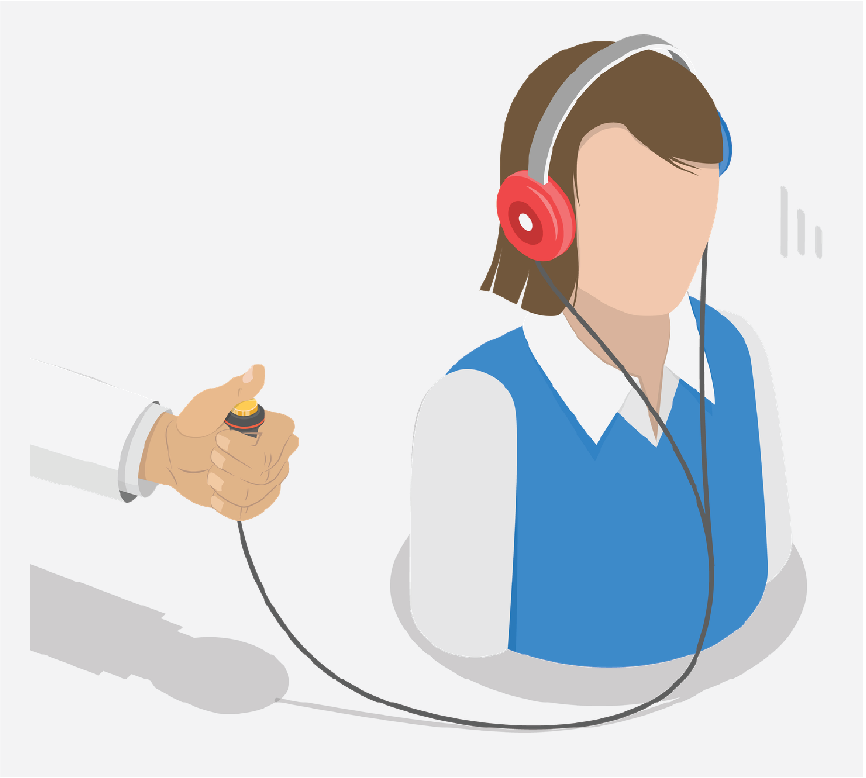
A faceless person wearing blue and red headphones. There is a hand behind them pushing a button connected to the headphones.

I will listen carefully to sounds. There may be sounds like beeps, tones, and words.

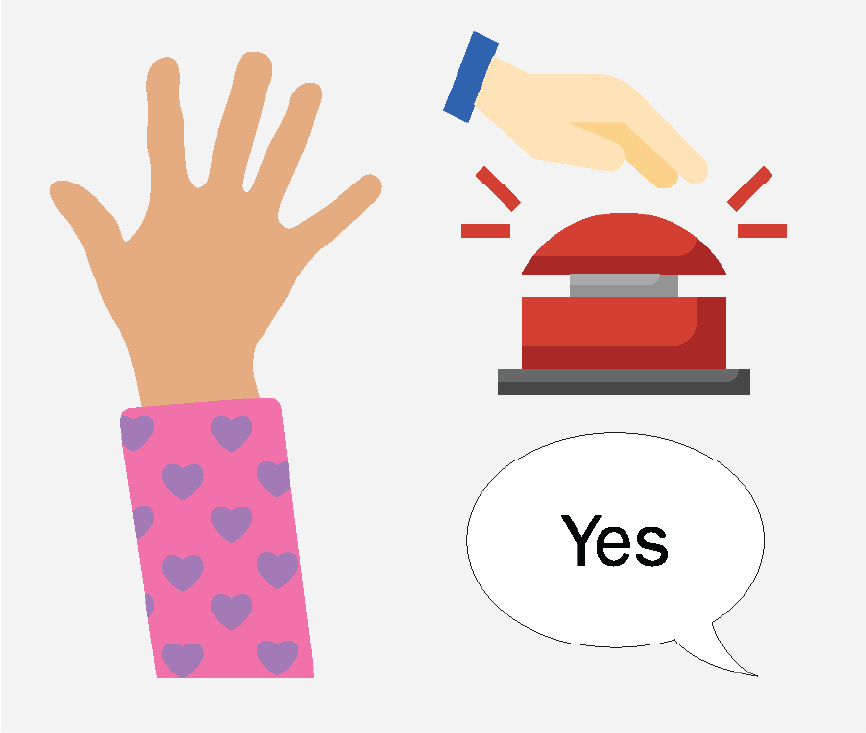
A raised hand, a hand pushing a red button, and the word

I will do my best to follow directions. When I hear a sound, I may need to raise my hand, press a button, or say “yes.”

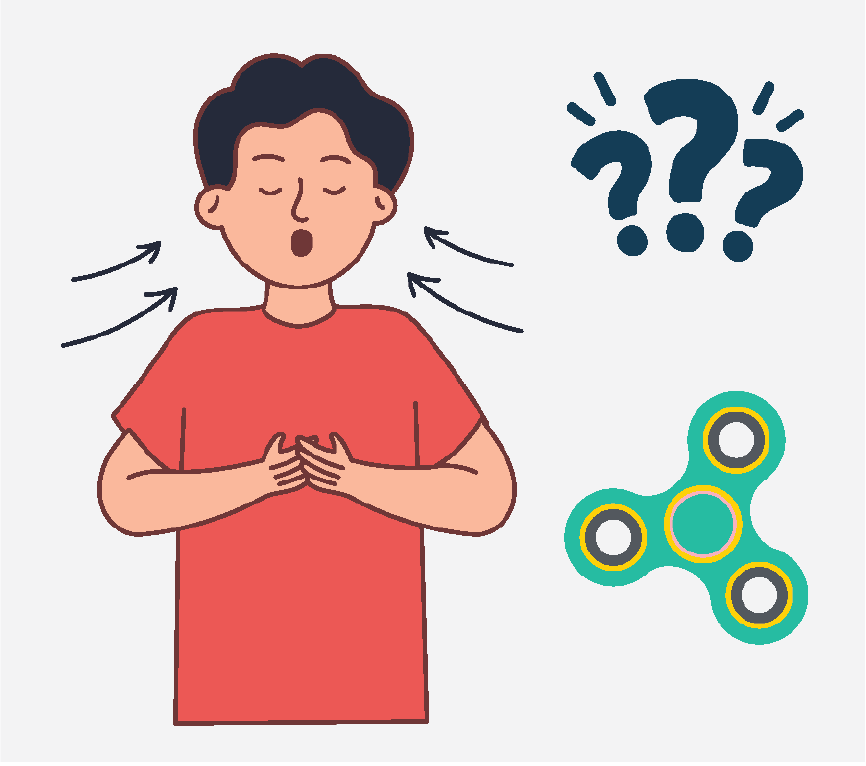
A boy taking deep breaths, three question marks, and a green fidget spinner.

If I feel nervous, I can take slow, deep breaths, ask questions, ask for a break, or play with a comfort item.

An audiologist holding a laptop and talking to a patient.

When the test is finished, the audiologist will explain the results to me. The results help my family, teachers, doctors, or other helpers understand how I hear sounds.

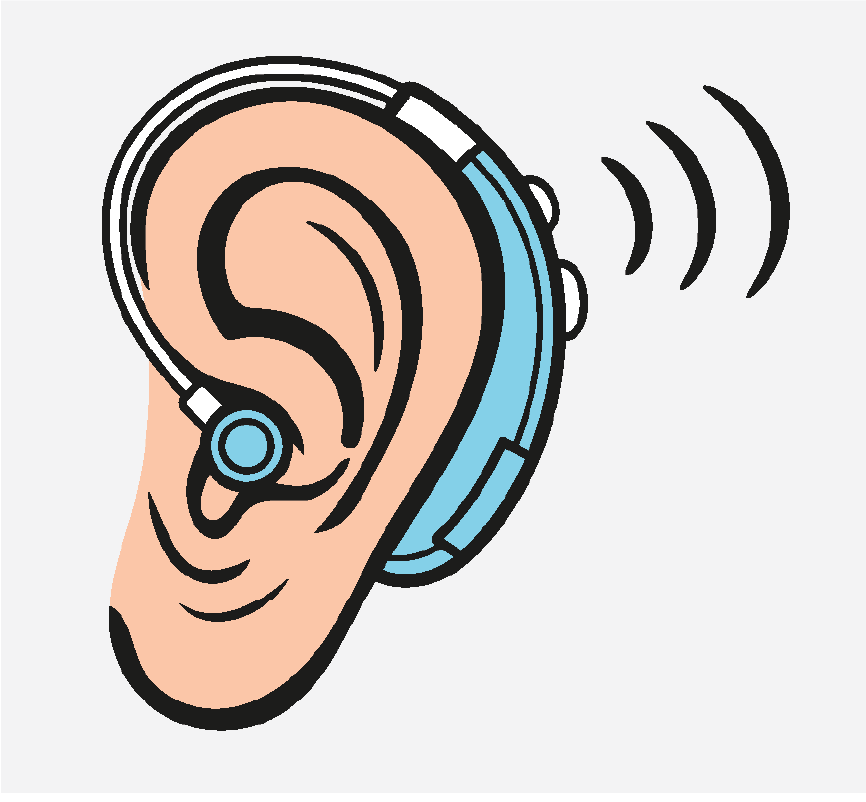
An ear wearing a blue hearing aid. There are sound waves behind the ear.

I may have normal hearing. Or I may need extra support, hearing devices, or follow-up visits.

Page 1 of 12
Page 1 of 12

Rate this resource

Thank you for rating this resource!

Download entire resource (pdf)

This information was developed by the Autism Services, Education, Resources, and Training Collaborative (ASERT). For more information, please contact ASERT at 877-231-4244 or info@PAautism.org. ASERT is funded by the Bureau of Supports for Autism and Special Populations, PA Department of Human Services.