View all at onceCurrent view View as slides
Laws are rules I have to follow. Many of these laws are in place to keep me safe. Police Officers make sure I follow the laws and keep me safe. Sometimes laws are not followed on purpose. Sometimes laws are not followed by mistake. This is called breaking the law. Page 1 of 6 Previous Page 1 of 6 Next
View all at onceCurrent view View as slides
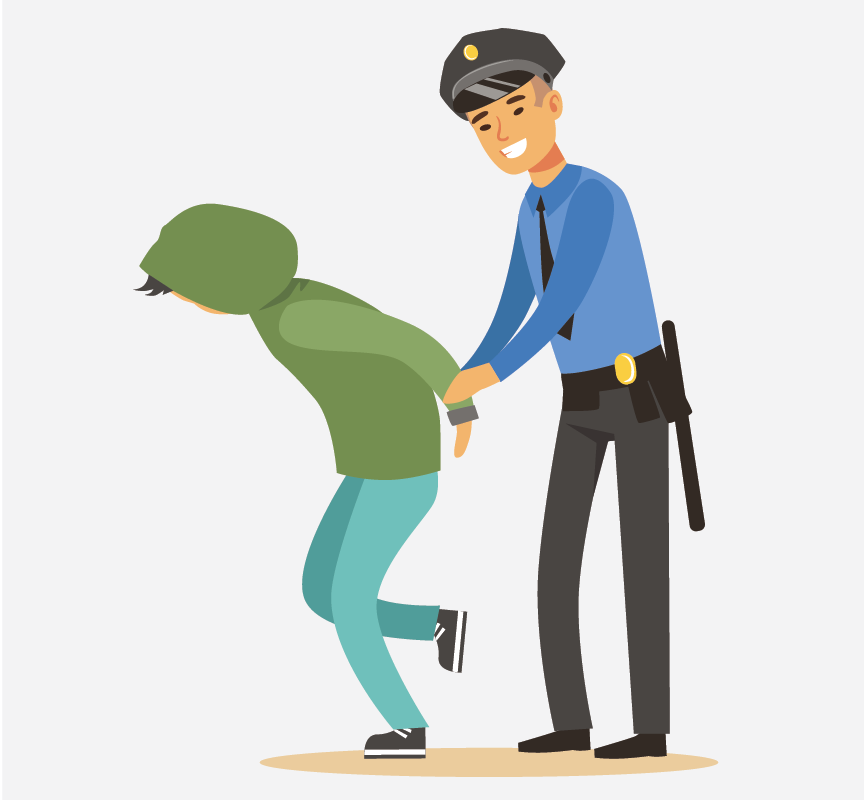
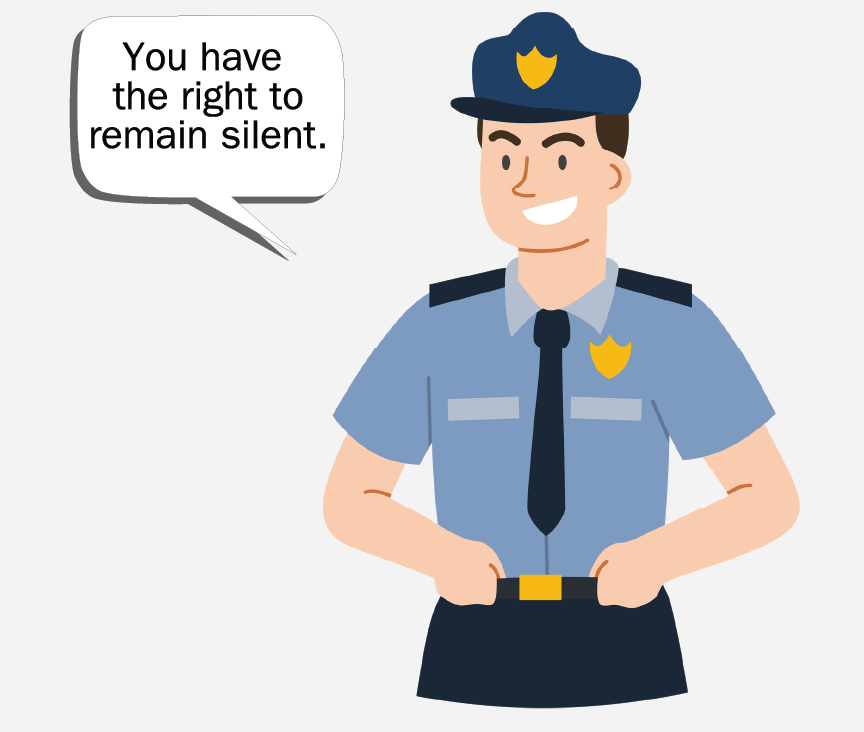
If I break the law, on purpose or by accident, it is a police officer's job to make sure that I do not break the law again. If I break the law, by accident or on purpose, a police officer may arrest me. The police officer will read me rules about what I can say or do. One thing I should NEVER do is touch a police officer or his equipment. The police officer may use language you don't understand. If I don't understand the rules it is okay to not say anything or ask questions. I can ask to call someone I trust. Page 1 of 6 Previous Page 1 of 6 Next
View all at onceCurrent view View as slides
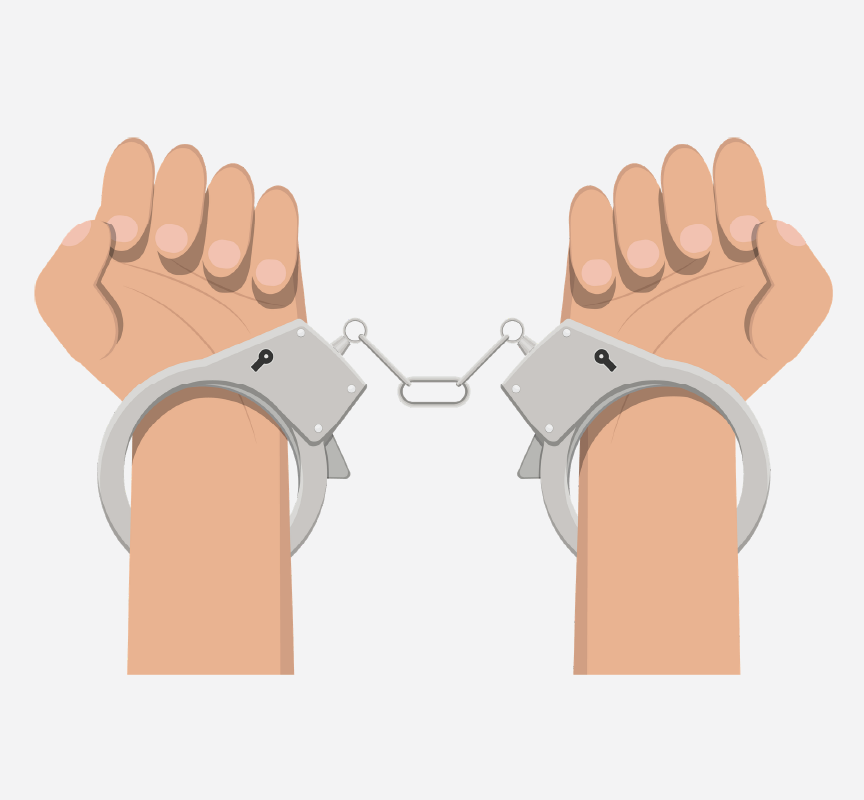
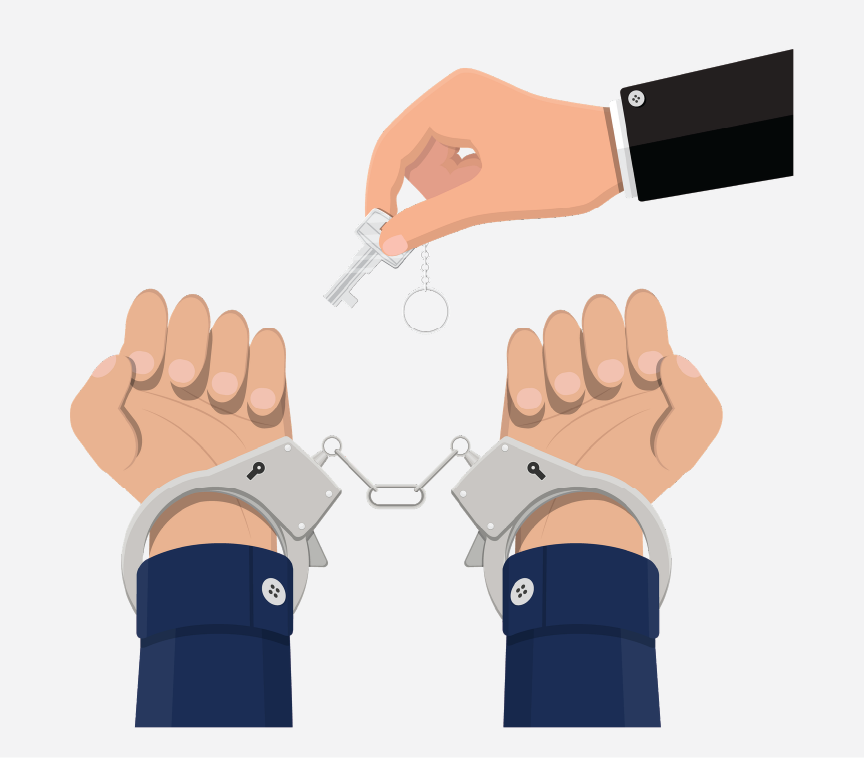
The laws say the police officer may put handcuffs on me. The handcuffs will feel cold and hard. An officer may search my body to make sure I don't have anything on me that could be harmful. The police officer has a key to take the handcuffs off me. The police officer may remove the handcuffs once the situation is safe. The police officer may put me in his police car to take me to the police station. The police car has lights that are bright and a siren that is loud. Police cars are also meant to keep me, the police and the community safe. Once we get to the police station, the officer will let me out of the police car. Page 1 of 6 Previous Page 1 of 6 Next
View all at onceCurrent view View as slides
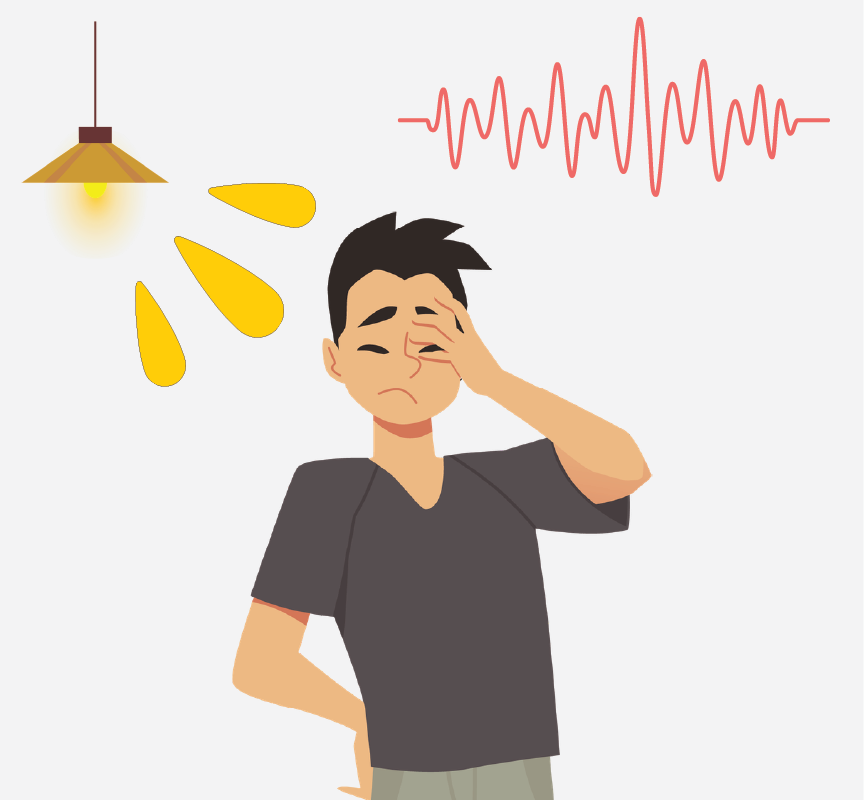
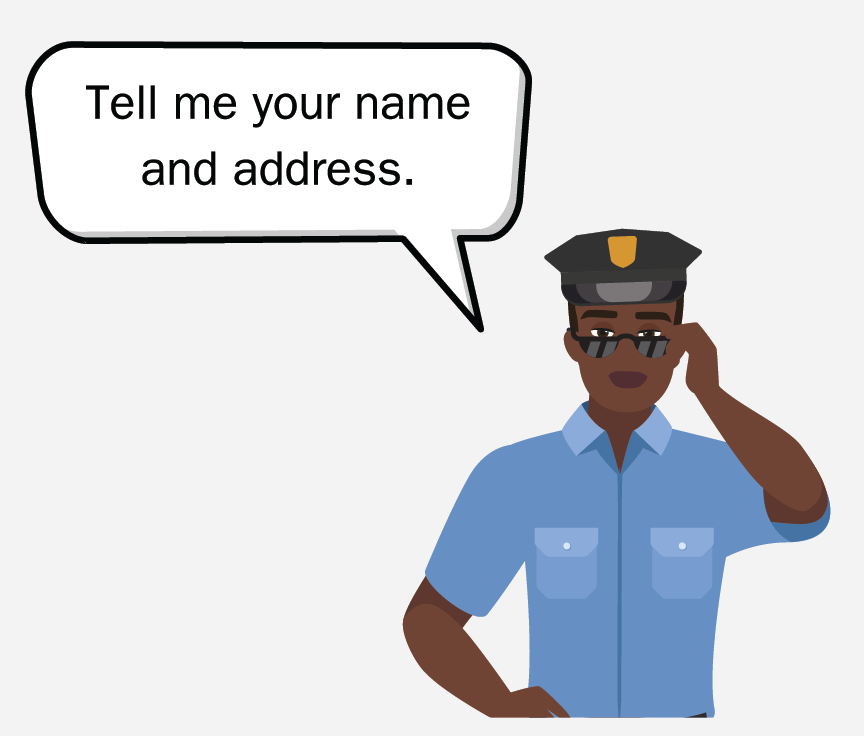
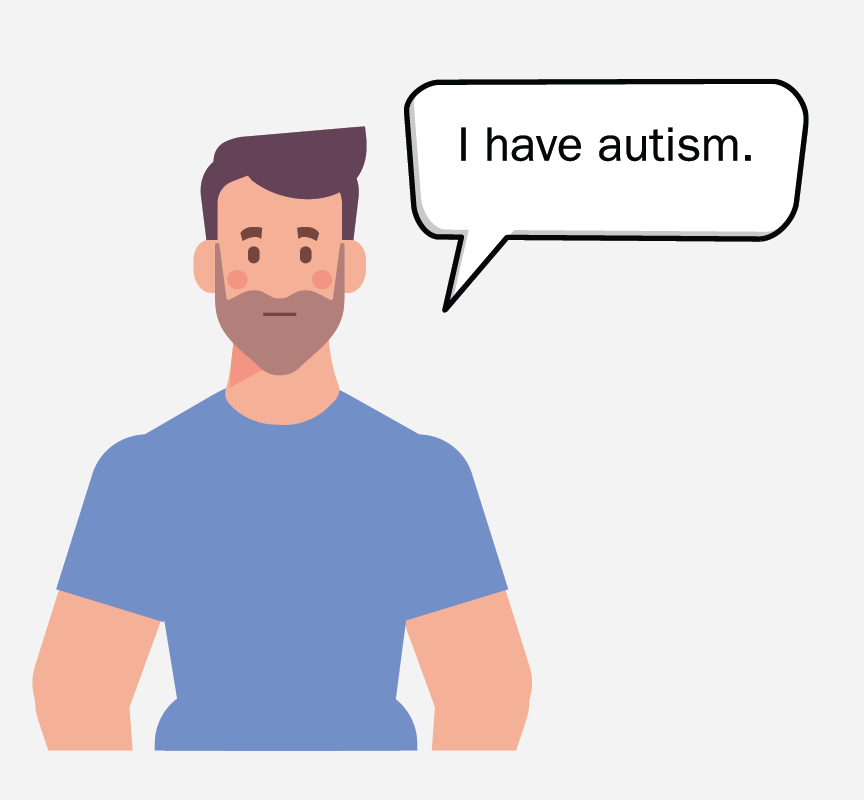
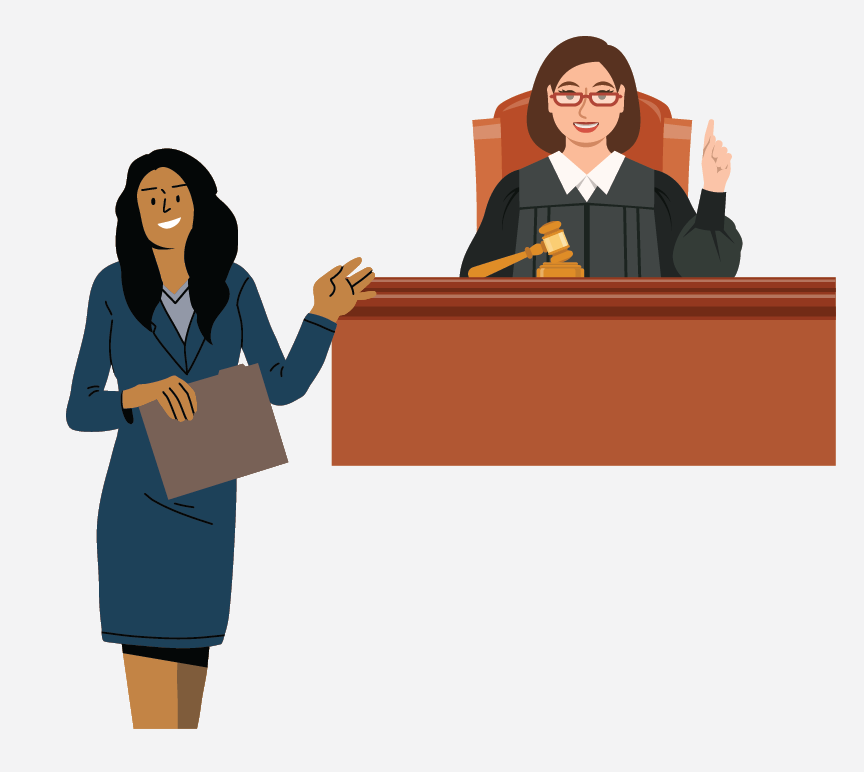
The police station may be loud and bright. I can ask for a quiet space. The police officer will want to ask me questions like my name, where I live, who I live with and why I did not follow the law. It's my choice if I want to tell the police officer that I have autism. I don't have to answer the police officer until my parents or an attorney are present. An attorney is someone who understands the law and can help me and my family in court. Page 1 of 6 Previous Page 1 of 6 Next