Recursos en Español
Para encontrar recursos de ASERT que han sido traducidos al español, haga clic aquí.
To find ASERT resources that have been translated into Spanish, click here.
Para encontrar recursos de ASERT que han sido traducidos al español, haga clic aquí.
To find ASERT resources that have been translated into Spanish, click here.
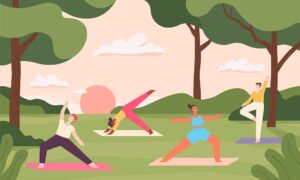
There are many different types of yoga. The following yoga styles are recommended for beginners and people with disabilities.
Accessible yoga adapts poses and practices so people of all abilities, ages, body types, and health conditions can participate safely and comfortably. It fits the yoga to the person — not the person to the pose — creating a welcoming space where everyone can move in ways that feel supportive.
Trauma‑informed yoga offers a gentle, supportive space where people can reconnect with their bodies and rebuild a sense of internal safety. The practice centers on choice, body awareness, and nervous system regulation, helping to reduce trauma responses and build confidence. Because trauma can touch anyone’s life, teachers assume that any student may have a trauma history, so they guide the practice in ways that reduce triggers and create room for grounding and healing.
Gentle yoga is a slow, low‑intensity practice that invites the body to soften and the mind to settle. Movements are accessible and often floor‑based, offering space to breathe, release tension, and move with ease. The focus is on comfort, relaxation, and supporting the body exactly as it is.
*For a list of yoga poses and images, please download the Yoga for Self-Care Poses resource at the bottom of this page.
| Name | Description | Type | File |
|---|---|---|---|
| Different Types of Yoga | This resource focuses on three different types of yoga; accessible, trauma-informed, and gentle yoga. | Download file: Different Types of Yoga | |
| Common Benefits of Yoga | This resource lists the many benefits that yoga can have on your physical and mental health. | Download file: Common Benefits of Yoga | |
| Yoga for Self-Care Poses | This resource provides images and names of basic yoga poses that you can do for self-awareness and self-care. | Download file: Yoga for Self-Care Poses |
This information was developed by the Autism Services, Education, Resources, and Training Collaborative (ASERT). For more information, please contact ASERT at 877-231-4244 or info@PAautism.org. ASERT is funded by the Bureau of Supports for Autism and Special Populations, PA Department of Human Services.